Showing posts with label Botany. Show all posts

Wednesday, April 11, 2007

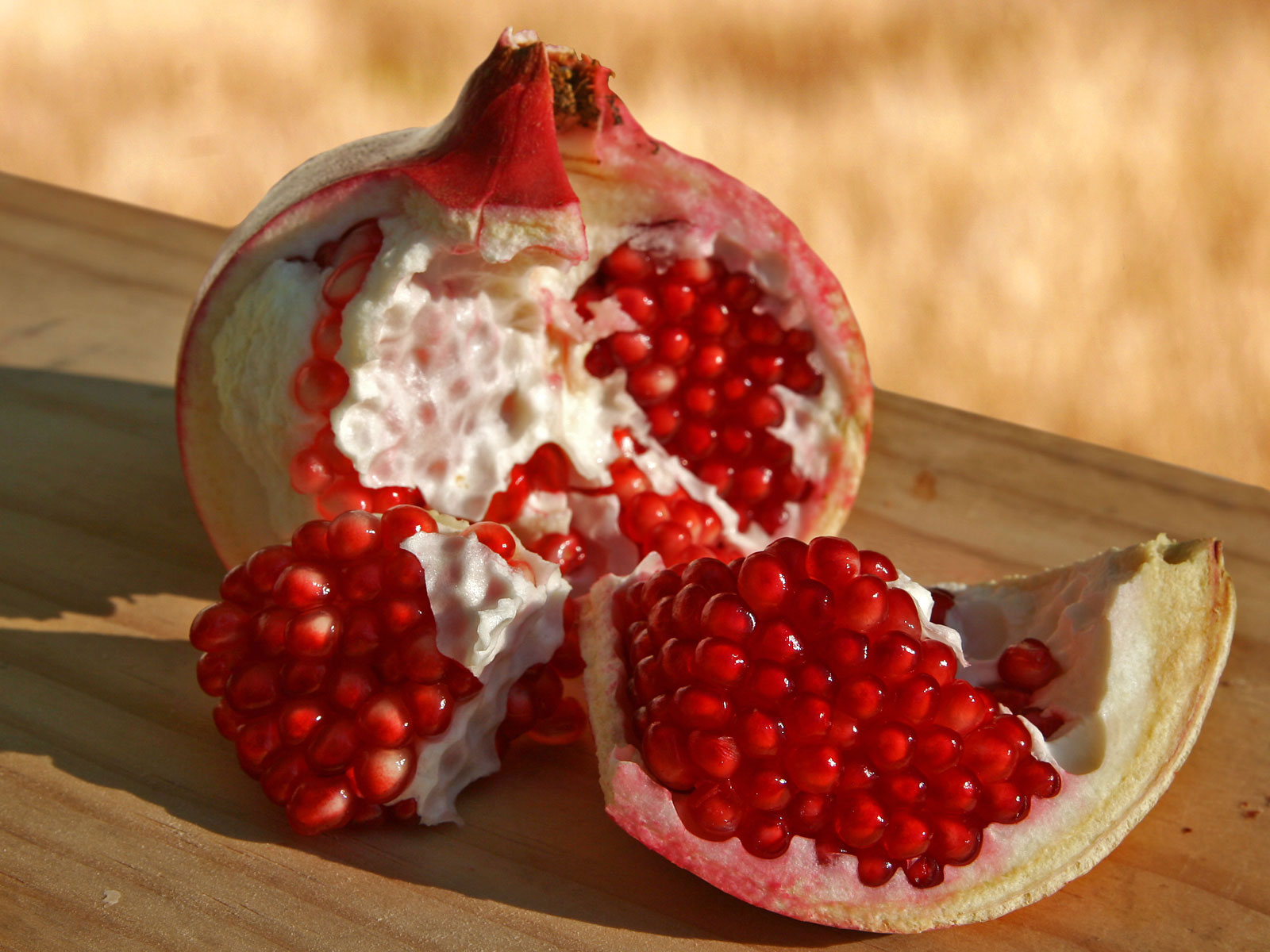
Plane of Knowledge: Pomegranates


1) What does the word 'pomegranate' mean and in what language?

2) What gem derives its name from the similarity in color to the fruit?

3) What modern weapon derives its name from the similarity in shape to the fruit?

4) Under what conditions will pomegranate juice turn blue?

5) In Greek Mythology, who is famous for eating a pomegranate and what were the consequences of that action?

Bonus: Name two health benefits of pomegranate juice.


Answers to All Things Piratical:
1) What is the difference between a pirate and a privateer? As Maren implied, the difference is state sponsorship, usually in the form of Letters of Marque and Reprisal.

2) What language does the word buccaneer come from and what does it mean?
It comes from French boucan, a name for racks used to dry & smoke meat in the Carribean - thus, it basically means Barbecuer. Apparently some barbecuers took to piracy.

3) What was Blackbeard's given name? Edward Teach.

4) What group of pirates was the target of the US' first overseas military action and where were they based?

The Barbary Pirates were disrupting American shipping in the Mediterranean, which resulted in the First Barbary War, in which the port of Tripoli played a major role. This is the origin of the phrase "the shores of Tripoli" in the Marine Hymn.

5) The Island of Tortuga from the Pirates of the Caribbean movies is a real place. What modern country is it part of? The island is across a channel from Port-au-Prince, Haiti, and is part of that country today.

6) What became of the famous pirate town Port Royal? Port Royal was a popular pirate town until, in 1692, an earthquake resulted in 2/3 of the city being sunk into the sea.

Bonus: In Gilbert & Sullivan's Pirates of Penzance, what is Frederick the 'slave of'? What is the paradox that thus enslaves him?

As Tona correctly stated, the full title of the play is "The Pirates of Penzance, or The Slave of Duty". Maren correctly articulated the paradox, that Frederick was apprenticed to serve the pirates until his 21st Birthday, not merely his 21st year. As somebody born on Leap Day, his 21st year meant he had as yet had only 5 birthdays.

Edit: While I was posting this, Davey posted in the comments of All Things Piratical and did very well, getting at least partial credit on all but #6. YAAR, Matey!

Friday, April 06, 2007

The Plane of Knowledge: Know Your Conifers

Know your Conifers:
For each of the following types of conifers, tell how they are distinguished from other types of conifers. In general, this will involve talking about needle shape and grouping, cone disposition, and tree shape. List an example of each.
1) Spruces
2) Firs
3) Pines

Bonus: List 2 edible parts of conifers. They don't have to be edible on every conifer, just 2 things that come from conifers you can eat.

Bonus: List 2 types of conifers not mentioned here.


Answer's to yesterday's PoK: THE WAR OF 1812:
1) Who declared war on whom, and what were the reasons?

Well, Brian's right, we declared war on them, and there was a trade issue, specifically that the British were interfering with our trade with France (who they were at war with on the European continent). Davey was also right about them stealing people for their armed forces, although it was the impressment of American sailors rather than soldiers that was the main problem there. Additionally, the British were funding & supplying Native American tribes (such as the Shawnee under Tecumseh) in what was then the northwest frontier, and those tribes were preventing settlement in lands the US had obtained by treaty after the Revolutionary War.

2) How long did the war last?

Until 1815. The Treaty of Ghent was signed on December 24, 1814. After the treaty was signed, the Battle of New Orleans took place on January 8, 1815 (Jackson & his troops were unaware of the peace). The treaty was ratified by the US in February.

3) Who was President at the time?

James Madison is correct.

4) What is that President's wife famous for during the war?

Brian's right again - she's famous for staying behind after basically everybody else, including her bodyguards, had left. She saved, among other things, a famous portrait of George Washington.

5) What American commander later became President?

Davey's right - it was Andrew Jackson, hero of the Battle of New Orleans.

Bonus: What battle or battles is the 1812 Overture written to comemmorate?

Davey is right - this is a trick question. It was written about the French invasion of Russia in 1812. Specifically, the Battle of Borodino, if you must know.